


KARDESH · HOW WE WORK TOGETHER
Good work begins by listening to the people who live with the concern.
KARDESH brings the right people, professions, languages and generations around a real need. The group begins with a clear, manageable step, learns from what happens and decides together whether to improve, continue or stop.
Listen · Gather · Try · Improve · Continue
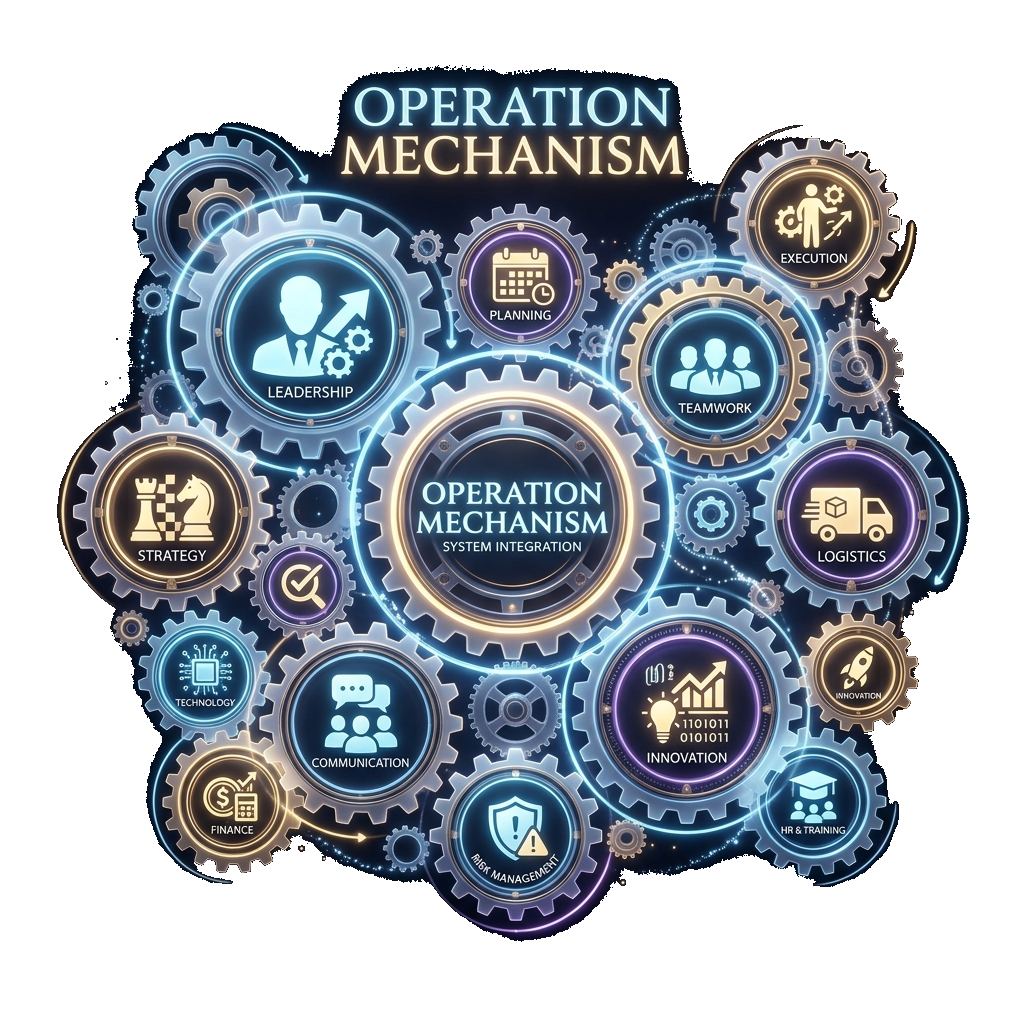

Where work begins
Before rushing towards a product, we make sure the concern, the people and the responsibility are understood.
A question such as child privacy in an educational tool, or consent in synthetic media, cannot be solved by one developer, manager or specialist alone. People affected by the issue, experienced professionals, source holders, other fields and the Builder team meet around it. Their roles are different, but the people who live with the outcome are not pushed out of view.
Speed matters only after the right people have been heard and someone is prepared to care for the result.
From a fixed pipeline to a living rhythm
A fixed pipeline repeats its steps. A living working rhythm can listen again and change direction when new knowledge, objections or risks appear.
Fixed production pipeline
Completing a step can be mistaken for progress
- Forces every concern towards a predefined output
- Reduces people to job titles and contribution to assigned tasks
- Treats an objection as delay or resistance
- Sees publication as the end and care as an afterthought
KARDESH working rhythm
Taking responsibility is part of progress
- Names the concern again with the people who live it
- Makes each role, competence, limit and right to object clear
- Begins with small, safe and reversible steps
- Treats correction, stopping and continuing care as real outcomes
Who gathers around a concern?
People meet with equal dignity while bringing different experience, competence and responsibilities.
People who live with the concern
They explain how the need appears in everyday life, what causes harm and what cannot be seen from a distance.
Professionals and experienced masters
They bring field experience, working methods, real cases and the judgements that cannot be handed to another role.
Source and meaning contributors
They bring texts, data, different readings and historical context while keeping their own interpretation open to review.
Neighbours from another profession, language or place
They reveal links one field may miss and bring experience from another language or geography without taking over another profession’s judgement.
Builders and tool specialists
They explore what research, design, data, models, software or media can make possible without replacing professional judgement.
People carrying care, quality and next-generation responsibilities
They look at possible harm, privacy, human control, clarity, child safety and who will care for the work afterwards.
A five-movement working rhythm
Each concern follows its own path, but listening, clear responsibilities and learning from the outcome belong in every piece of work.
The group can move backwards as well as forwards. A new source or objection may call for more listening; a risk may narrow the work or bring it to a stop.
Which need calls for which space?
KARDESH does not turn every concern into a product. It opens the kind of shared space the work actually needs.
Circle · Learn together
For understanding a question, hearing different perspectives and beginning a shared reading or conversation.
Profession Circle · Explore a field question
For a profession-specific concern that needs experience, sources, differing views and practical knowledge.
Guild · Sustain a profession across generations
For continuing professional knowledge, mother-tongue resources, a path of mastery and care for the next generation.
Mission · Carry a shared concern across professions
For a concern that reaches beyond one field and needs people from different professions to work together.
Labs · Make a limited, safe trial
For testing an assumption in a small, observable and reversible way before making larger commitments.
Build · Make something useful and care for it
When the need is understood, a guide, learning resource, piece of software, media work or other usable output can be built and maintained.
Questions before action
A possible step is not automatically the right step.
Have the people concerned really been heard?Were the people, households, communities or field affected by the decision treated as participants with knowledge and a right to object—not merely as an audience? Do we have the right competence around the table?Are experienced people from the relevant profession present? Have child, legal, privacy or other specialist responsibilities been included where needed? Are sources, disagreements and unknowns visible?Can people see where the knowledge comes from, where interpretations differ and what remains missing or uncertain? Are human and machine roles clear?Is a model suggestion kept distinct from human judgement, automated action from approval and speed from accountability? Is the step safe and reversible?Are privacy, harm, child safety, rights and misuse considered? Is there a practical way to pause, object, correct or withdraw? Who will care for the outcome?Whether or not it is published, does someone remain responsible for its record, evidence, maintenance, later review or closure?
Progress is not always publication
Sometimes the best result is a useful product, sometimes a better question, and sometimes a clear decision not to proceed.
Work may end with a source map, move to a Profession Circle or Mission, enter a limited trial in Labs or become a Build. It may also be narrowed or stopped. If rights and continuing care are clear, a suitable output may later be opened to shared benefit through WAQF. These are not ranks of success; the right outcome is the one people can carry responsibly.
Pausing, returning and correcting are also valid outcomes of responsible work.
Two concerns now in preparation
Behind every technical output are human questions that still need to be understood and owned.
Sourced learning content and Child SEDD
How can a teacher use an assistive tool while keeping sources visible? When should child data not be collected at all? How do we keep a model suggestion from becoming pedagogical judgement? Teachers, households, child-development knowledge, source work and safeguarding need to meet.
Source, consent and human-approved publishing
Before publishing, how can the source of an image, a person’s consent, synthetic changes and the right to withdraw remain visible? Media professionals, source and privacy contributors, language neighbours and Builders need to work together.
Work records in preparation
These are two profession-related concerns in preparation—not finished products or active teams.
The cards show the concern, possible output, current obstacles and level of readiness. A preparation label does not mean that a team, appointed master, open task, working product or accepted professional judgement already exists.
2 work records
Source, Consent and Human-Approved Publishing
Before publication, how can source, consent, synthetic changes and correction records remain visible and open to review?
- A connected 0.1 preparation pack for a media and representation ontology, media source library, media data schema and source-review workflow.
- No Circle Steward or Profession Master has been appointed.
Sourced Learning Content and Child SEDD
When assistive tools help prepare sourced learning content, how can we protect child data, keep model suggestions in their place and leave pedagogical judgement with responsible people?
- A connected 0.1 preparation pack for a learning ontology, education source library, education data schema and Child SEDD review set.
- No Circle Steward or Profession Master has been appointed.
What is actually ready?
A published preparation record does not mean that an active guild or accepted piece of work already exists.
A draft brief, source outline or technical sketch may be recorded. It is not presented as active work until real field partners, suitable professional guidance, safe conditions, a right to object and continuing care are in place.
Nine questions for vocational preparation
Media and TEMSİL
Why does this vocation exist?
Its service to people, the trust it carries and its place in shared life have been described in writing.
Responsibilities that remain human
The decisions and accountability that cannot be delegated to a machine or institution have been described in writing.
Source and tool preparation
7 preparation record(s) are visible; vocational concepts, sources and ways of arranging knowledge are still being examined together.
Profession Guild
A Profession Guild record exists in foundational preparation.
Profession Circle
A circle record exists, but its steward and acceptance conditions have not been completed.
A shared working question
1 preparation question(s) and related work record(s) are visible.
Open testing and field acceptance
An open test using fictional examples exists; real-field and board acceptance have not been completed.
Knowledge and human safety
Source, purpose, access, objection, withdrawal and deletion conditions have been described in writing.
A record that can be traced to its sources
The origin, changes and withdrawal conditions of the work can be traced.
Nine questions for vocational preparation
Teaching and Education
Why does this vocation exist?
Its service to people, the trust it carries and its place in shared life have been described in writing.
Responsibilities that remain human
The decisions and accountability that cannot be delegated to a machine or institution have been described in writing.
Source and tool preparation
7 preparation record(s) are visible; vocational concepts, sources and ways of arranging knowledge are still being examined together.
Profession Guild
A Profession Guild record exists in foundational preparation.
Profession Circle
A circle record exists, but its steward and acceptance conditions have not been completed.
A shared working question
1 preparation question(s) and related work record(s) are visible.
Open testing and field acceptance
An open test using fictional examples exists; real-field and board acceptance have not been completed.
Knowledge and human safety
Source, purpose, access, objection, withdrawal and deletion conditions have been described in writing.
A record that can be traced to its sources
The origin, changes and withdrawal conditions of the work can be traced.
Preparation and expressions of interest
Which professional concern, language, source or field experience would you like to bring into shared work?
KARDESH working groups and role acceptance are still being prepared. For now, you can share your profession, languages, a concern you live with, a useful source, a tool skill or an interest in guiding the next generation. This is not an active team, vacancy, membership, role assignment, professional accreditation, or promise to accept a product for publication.